
BACKEND / ORCHESTRATION
Hosting Suite
Server orchestration, backend communication and operational control in one system.
THE SYSTEM
Coordinate the services behind your application.
Hosting Suite brings together an orchestrator, server-side communication, backend APIs and a control dashboard. It manages server instances and connects their activity with the services that support the application.
The architecture supports dedicated and on-premises deployments. Its multiplayer implementation is a concrete example of how these components handle instance lifecycle, client communication and operational visibility.
Orchestrator
Manage the deployment and lifecycle of dedicated server instances. Coordinate application requests with the instances that execute them.
ServerLink
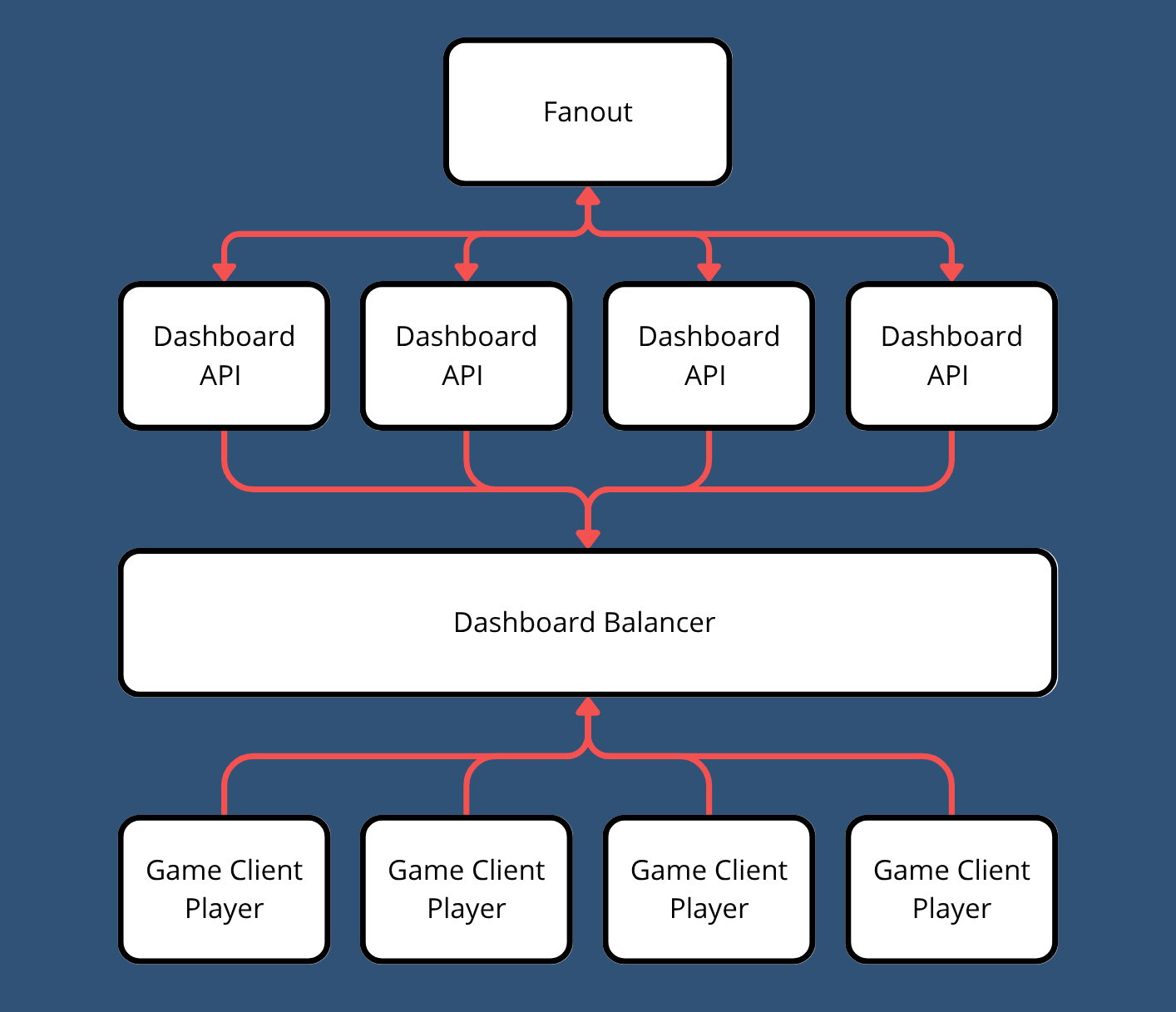
Connect a server-side integration component to backend APIs through BACore’s RPC protocol. Fanout mechanisms communicate updates between connected components.
Client Dashboard
Provide the client-facing entry point for service communication. The documented multiplayer implementation includes chat, invitations, queues and matchmaking.
Operational control
Bring metrics, logs, user management and server management into a shared control interface for operators.
COMMUNICATION & INTEGRATION
Connect components through explicit interfaces.
BACore’s custom RPC protocol over WebSockets connects clients, server-side components and backend services. The architecture separates communication and orchestration from the application features that use them.
The integration work defines the client interfaces, the server-side connection and the information exchanged with the backend. Monitoring and logs make the running system inspectable.
DEPLOYMENT
Choose where the system runs.
01
Shared infrastructure
Run within a shared infrastructure arrangement suited to the project scope.
02
Dedicated environment
Use a deployment reserved for the application and its operational requirements.
03
Your own servers
Deploy the system on your infrastructure, including an on-premises environment.
Capacity, integration scope and operational responsibilities are defined for each deployment.
APPLICATION EXAMPLE / MULTIPLAYER
One application: connected multiplayer services.
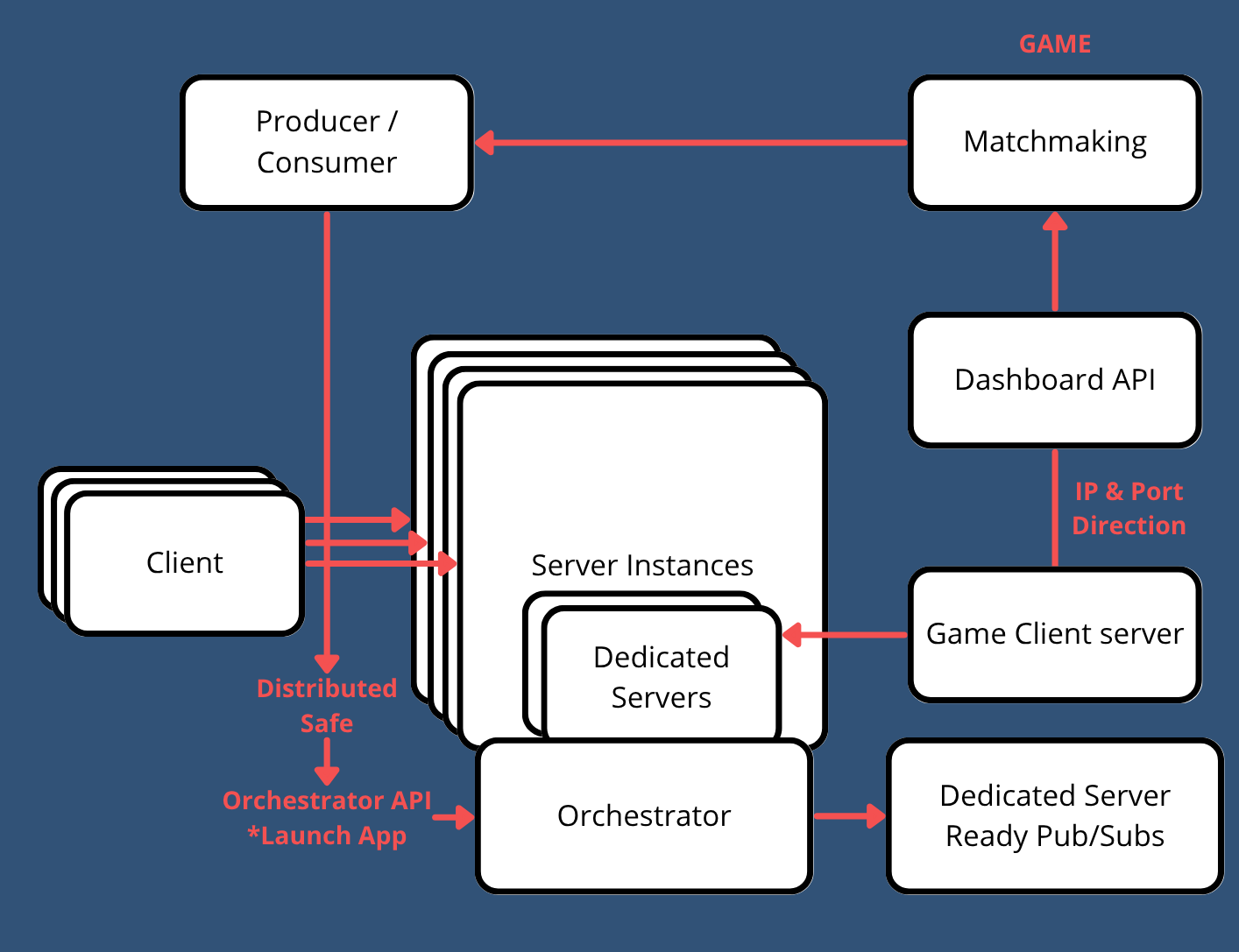
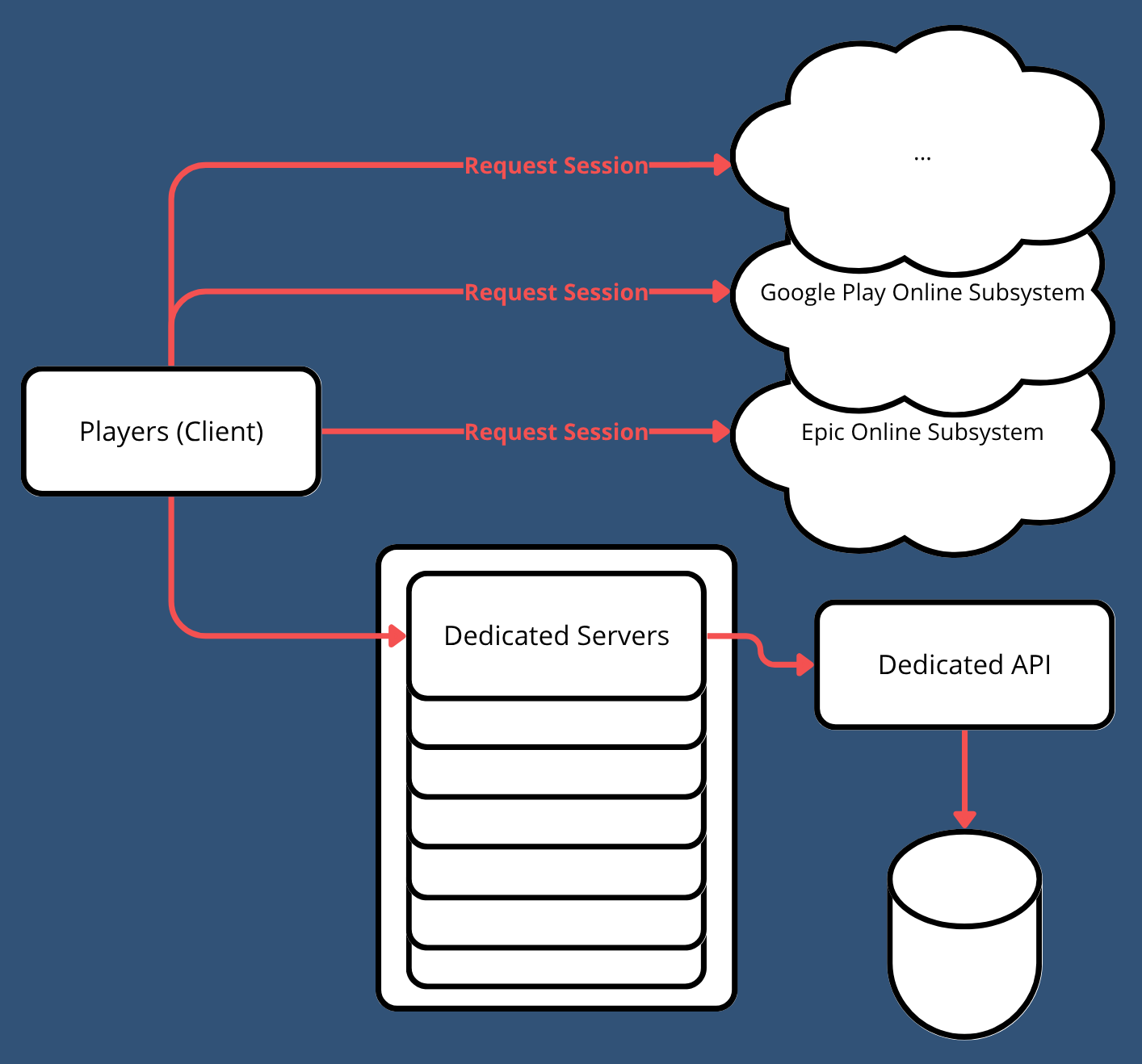
In the multiplayer implementation, the orchestrator provisions game-server instances, matchmaking coordinates sessions, and ServerLink connects those instances to backend functionality. The client dashboard supports chat, invitations and queues.
These diagrams show that application of the architecture. The game-specific features sit alongside the server orchestration, communication and control components described above.
Server lifecycle and orchestration
Client and backend communication
Session coordination
ARCHITECTURE + HANDS-ON IMPLEMENTATION
What does your
infrastructure need to support?
Tell us about the application, its server lifecycle and the services it needs to connect. We can define the architecture, integration and deployment scope together.